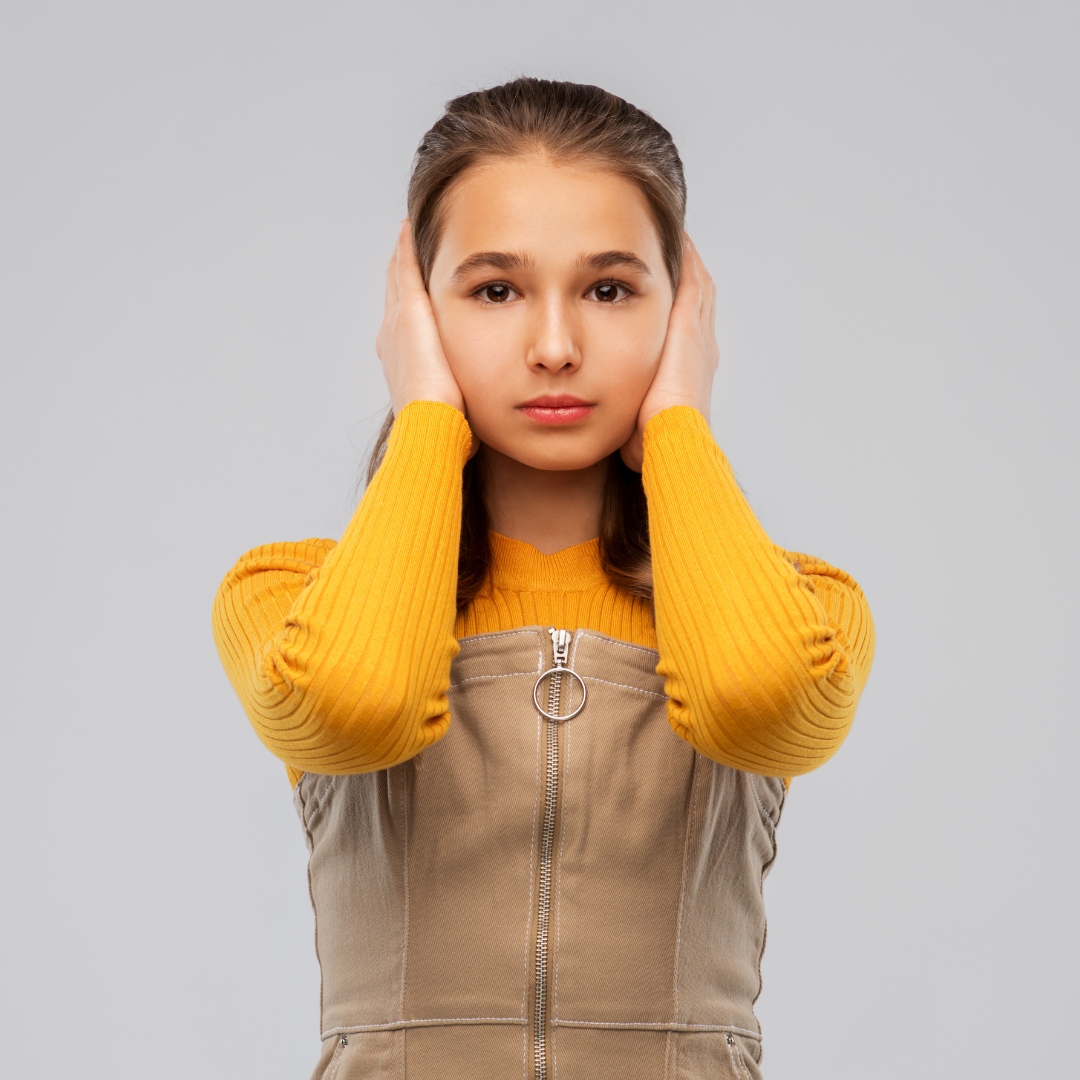
Why Do Autistic People Cover their ears? Auditory Processing Disorder Explained
 Leann Firestone
It can be hard to explain what it’s like to experience the world through a different sensory lens. One of the biggest challenges I face each day is auditory processing. I often hear and understand everything—the hum of the refrigerator, conversations across the room, the music playing down the hall—all at once. My ears take it all in clearly, but my brain doesn’t know how to sort or prioritize what’s important at the moment. So instead of focusing on the person talking right in front of me, it all becomes a blur of overlapping noise.
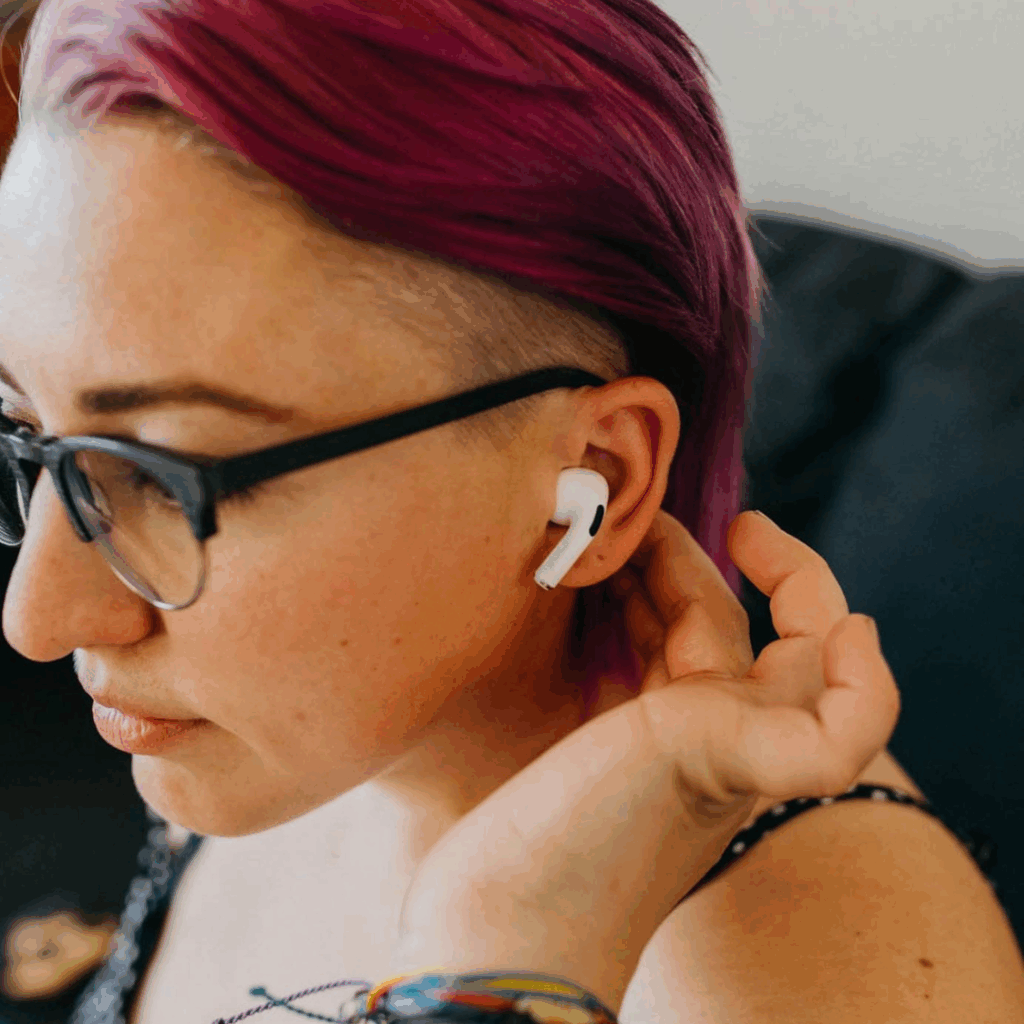
People have misunderstood this my entire life. I’ve been told I was too sensitive or too picky when I asked for quiet or needed a break. It confused those around me that I loved loud music in my car or going to live concerts, but also sometimes needed to leave a crowded room or cover my ears at a family gathering. I didn’t fully understand it myself—until I was diagnosed as autistic at age 30.
Now, as an adult with a platform and a purpose, I can give voice to what I didn’t have words for back then. And hopefully, by sharing how I experience sound, I can help others feel less alone—and help neurotypical people understand just a little more.
Here’s a real-life example that might help make sense of it.
Imagine sitting in a busy coffee shop. A neurotypical person might enjoy a conversation with a friend, tuning out the background chatter, the music, and the sound of the espresso machine. Their brain naturally filters out the extra noise so they can focus on what matters.
But for someone like me—someone with auditory processing differences—all those sounds come in at full volume, all at once. I hear the conversations at other tables just as clearly as the one I’m supposed to be part of. I notice the clinking cups, the music lyrics, and the grind of the machines. And my brain can’t easily decide which one to tune into. Unless I use hearing adaptations (which I’ll talk about next), I simply can’t focus on the person right in front of me
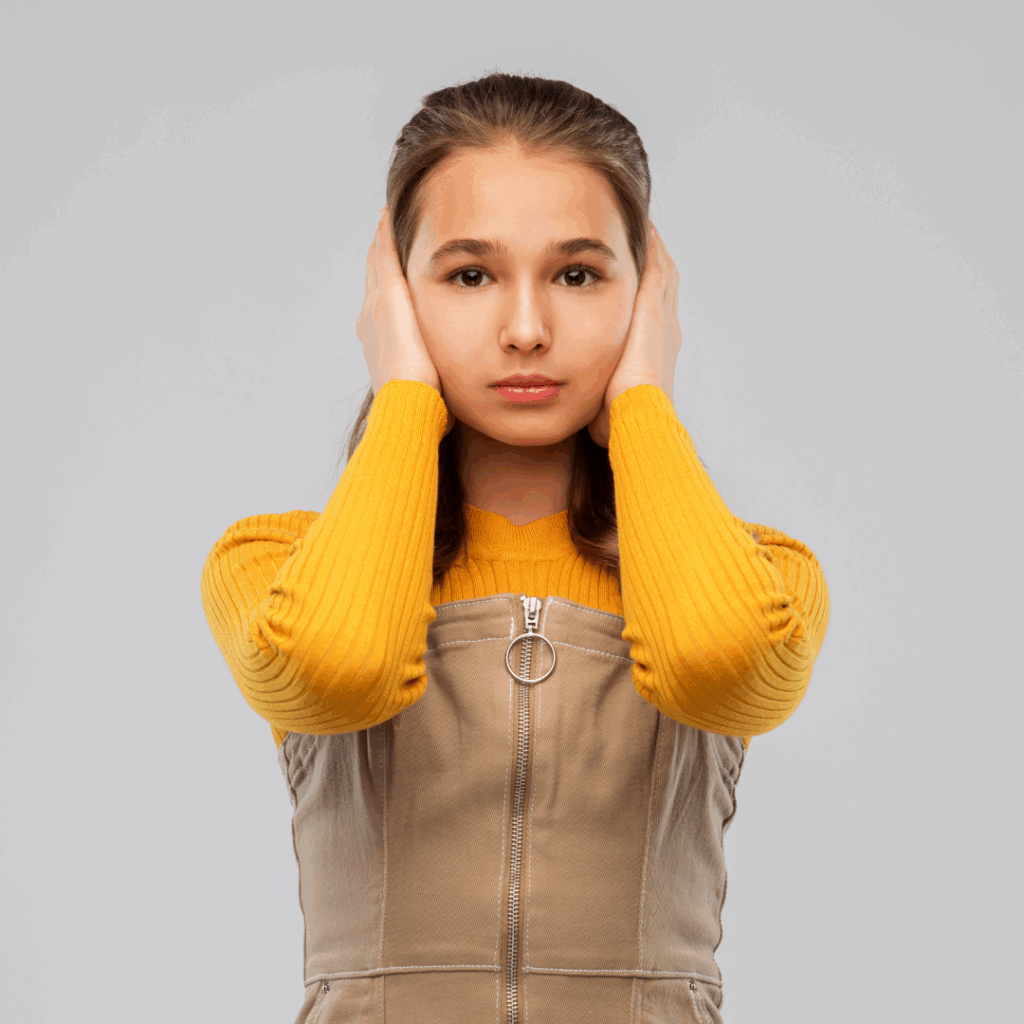
Wearing tools like ear defenders, AirPods, or other forms of auditory adaptations can significantly reduce the discomfort—and actually give me more ability to engage and function. These adaptations aren’t one-size-fits-all. Just like glasses are tailored to different vision needs, auditory tools vary widely depending on the type of support someone needs. Understanding the differences between these tools is especially important when dealing with something as nuanced as auditory processing. Finding the right option means first identifying your own sensory needs and preferences—and knowing that what works for one person might not work for another. Below is a descriptive list based on my personal experiences with different auditory tools. Please keep in mind—this is just my perspective. Every neurodivergent person is unique, and what works for me might not work for someone else. My hope is that by grouping this information together, it can serve as a helpful starting point for others to explore and find the tools that meet their needs.
Adaptive Tools for Auditory Processing Sensitivity
1.Putting my favorite tool at number one because I haven’t found anything else that can do the job of my Apple Air Pod Pros !!! While Bluetooth headphones in general are great, the AirPods Pro go far beyond that. They’re almost as adaptive as a hearing device, thanks to features like active noise cancellation, transparency mode, and an external microphone that lets you customize how much outside sound you want to hear.As a savvy shopper, I found a refurbished older model on Amazon for around $150—but make sure you’re getting the right version.You’ll want to look for Air Pod Pros (any generation) or Air Pod Pro 2. The newest version called the Air pod Pro 4 actually has even more hearing adaptations included so you can use them as a low cost hearing aid device as well. If you are looking for an over the ear option you would want to go with these Air Pod MAX model. If you don’t have an apple device the Beats Fit Pro is the best option for noise cancelling that I have found, but they do not have as many options to adapt. IF you are looking for something a little less techy without the bluetooth option, view some of the other options below.
2. Loop ear plugs are a great alternative to expensive bluetooth headphones. Loop have a variety of ear protection options in different noise reduction options and colors (more comparisons can be found in the chart below) . They also have a great new option called the Loop Switch 2 that allows you to switch back and forth between noise cancelling and transparency mode. If you using them for an active event or if you tend to lose things, I highly recommend this magnetic necklace the ear plugs.
3. The Flare Calmer ear plug alternative are a noise reduction alternative that does not block out any voices or communication. It simply “takes the edge off” . They claim to take away annoying noises without actually blocking sounds, and that is exactly how they work .It is nice for someone with mild sensitivities but for me they simply weren’t enough.
4. Over Ear defenders/protection originally designed for loud noise protection such as during a musical event or race, but these can be nice for everyday use for a neurodivergent person. They are over the ear coverage so are nice if you don’t like things inside of your ear canal. You can also use them with other ear protection, inside of your ear so you have two layers. My feedback for these are they are very affordable but also very basic and not customizable at all .
*It’s important to note that ear protection should generally be worn for short periods—about 60 to 90 minutes at a time—with breaks in between. Wearing ear protection constantly can sometimes lead to increased sensitivity over time, and may also cause irritation in the ear canal. Like any tool, these supports are most effective when used intentionally and in moderation.
View the chart below to form a comparison and choose your best option!
Products for Adults
Product Name | Avg Price | Dampening Level (dB) | Can Hear Voices? | Bluetooth | Fit/Details | Notes |
~$25 | ~10 dB | Yes, very clear | ❌ | Small ear insert | Designed for mild dampening only | |
~$25–30 | 24 dB | No, voices are hard to hear | ❌ | In-ear, soft silicone | Best for silence/sleep; not for conversation | |
~$30–35 | 17 dB (20 dB with insert) | Partially | ❌ | In-ear + insert | Good for concerts, overstimulation | |
~$35–40 | 9 dB (25 dB with insert) | Yes, designed for voices | ❌ | In-ear + insert | Best for social situations or conversation | |
~$55–60 | 17, 21, 25 dB (adjustable) | Yes (adjustable) | ❌ | In-ear, switchable modes | Most versatile; higher price point | |
~$180 | Active Noise Canceling | Yes, partial filtering | ✅ | In-ear, secure fit | Works for non apple devices | |
~$150–250 | Active Noise Canceling/Transparency | Yes (adjustable via settings) | ✅ | In-ear, customizable | Best adaptive option for Apple users, transparency, and noise cancel setting | |
~$450 | Over-ear ANC + Transparency | Yes (highly adaptive) | ✅ | Over-ear | Premium over-ear option for Apple users |
Children Under 7 (Tiny Ear Canal) Options
Product Name | Avg Price | Noise Canceling | Voices Heard | Details |
$35 | 16db | Clear | Limit to 90 min 3 times a day | |
$25 | 10db | Very clear | Fits in ear canal | |
$18 | 23DB | Not very clear | Fits over ear |
As an autistic/adhder with auditory processing differences, I created this audio tool guide to support anyone navigating auditory sensitivities—whether for yourself, your child, or someone in your care. If you’d like more personalized recommendations or have questions about any of the tools I’ve mentioned, feel free to reach out to me at leann@ndnet.org. I personally own and use many of these items and would be happy to share more details or even help find specific product links. *
Thank you for supporting a disabled creator and for taking the time to learn more about my experiences!
Leann Firestone
*Please note: I am an Amazon affiliate, so if you choose to purchase through the links in this guide, I may earn a small commission—at no additional cost to you.